

Churches Can Now Endorse Political Candidates Without Losing Tax-Exempt Status, IRS Says In Major Policy Shift

Churches Can Now Endorse Political Candidates Without Losing Tax-Exempt Status, IRS Says In Major Policy Shift
In a landmark shift, the IRS has announced that churches may now endorse political candidates without risking their tax-exempt status, so long as the endorsements occur “in good faith” and within the scope of religious services.
The update came via a court filing Monday, where the agency clarified its interpretation of the Johnson Amendment, a 1954 law that prohibited tax-exempt entities from participating in political campaigns.
The IRS now says that when a house of worship speaks to its congregation “through its customary channels of communication… concerning electoral politics viewed through the lens of religious faith,” it does not constitute campaign intervention. The agency likened such endorsements to a “family discussion,” emphasizing they are protected under the First Amendment.
This shift follows years of pressure from religious organizations and echoes promises made by President Trump to “totally destroy the Johnson Amendment.” While not fully repealed, the IRS’s new stance marks a dramatic reinterpretation.
What are your thoughts on this?

 Previous Article
 Next Article
 Here For It? Mayor Zohran Mamdani Announces Plans To End NYC’s Horse-Drawn Carriage Industry, Vows To Protect Workers & Horses
 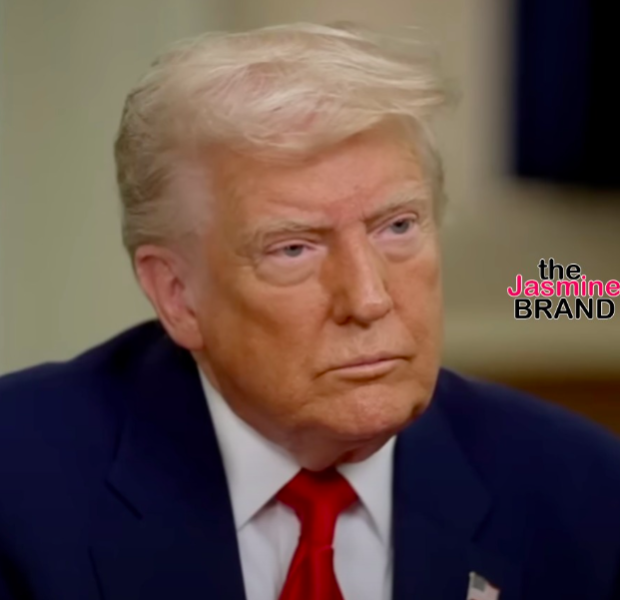 Federal Judge Orders Trump Administration To Restore White House Access To CNN, MS NOW & Politico
 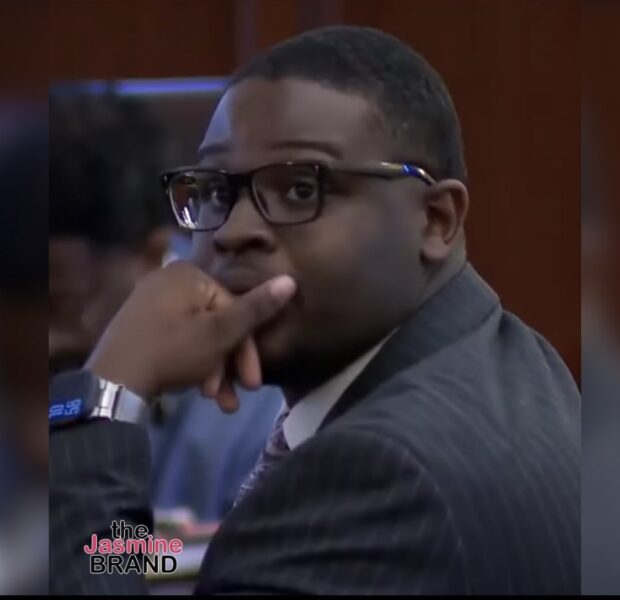 Georgia’s Youngest Mayor Removed From Office After Allegedly Spending City Funds On Food, Haircuts, Clothing & Exchanging Explicit Texts With 18-Year-Old High School Student
 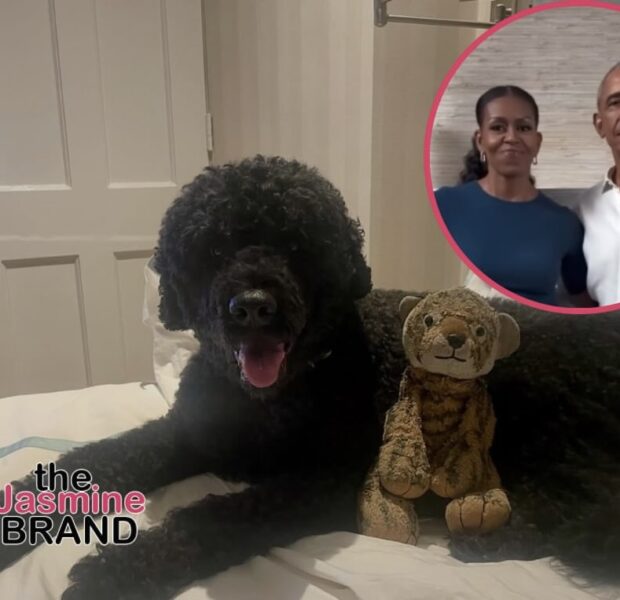 Barack & Michelle Obama Share Their Family Dog Sunny Has Passed Away
 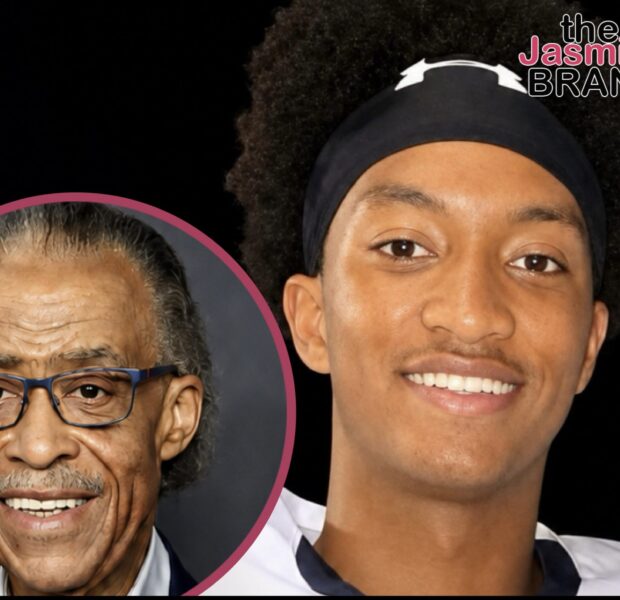 Rev. Al Sharpton Won’t Apologize After Nolan Wells’ Friends Threat*n Defamation Suit Over Questions About His D*ath: ‘I Will Neither Be Silenced Nor Retract’
  Republican Rep. Lauren Boebert’s Adult Son Arrested, Facing Multiple Felony Charges Related To Alleged S3xual Exploitation Of A Child
 ![[Update] Ex-Tallahassee Mayor Andrew Gillum Locked Up Again After Allegedly Testing Positive For M*th During Court-Ordered Dr*g Screening](https://thejasminebrand.com/wp-content/uploads/2026/07/IMG_9225-scaled-620x600.jpeg) [Update] Ex-Tallahassee Mayor Andrew Gillum Locked Up Again After Allegedly Testing Positive For M*th During Court-Ordered Dr*g Screening
[Update] Ex-Tallahassee Mayor Andrew Gillum Locked Up Again After Allegedly Testing Positive For M*th During Court-Ordered Dr*g Screening  Sen. Mitch McConnell Released From Rehab Center Following Concerning Fall